
A well-stocked garden shed is the difference between wrestling with the wrong tool for twenty minutes and finishing the job in five. Whether you are turning a bare backyard into your first vegetable patch or maintaining beds and borders you have worked for years, the right combination of digging, planting, pruning, watering, and hauling tools makes every task easier on your back, your schedule, and your plants. New gardeners in particular tend to make do with whatever happens to be in the garage until a dull blade, a missing pivot point, or simply the wrong shape leaves them frustrated and behind on the season.
This guide walks through every major category of gardening tool you are likely to need, arranged roughly in the order you would reach for them across a season: preparing and digging the soil, planting, weeding, pruning, caring for the lawn, harvesting, supporting your plants, working with specialty jobs, organizing your kit, watering, hauling materials, and finally staying comfortable while you work. For each tool we explain what it does and why it earns a permanent spot in your shed. Wherever we have already published a full hands-on comparison of the best models available on Amazon, we link directly to that review so you can dig deeper before you buy.
Digging and Soil Preparation Tools
Nothing happens in a garden until the soil is ready, and that starts with tools built to break ground, move earth, and shape beds.
1. Garden Shovels
A shovel is the workhorse of any garden: a round-point blade digs planting holes and moves loose soil, mulch, or gravel, while a square-point blade is better for scooping and edging flat surfaces. Every gardener needs at least one general-purpose shovel before anything else, since it handles the bulk excavation that smaller tools simply cannot. See our full comparison of the best garden shovels for picks by blade shape, handle length, and material.

2. Garden Spades
A spade looks similar to a shovel but has a flatter, sharper blade designed for cutting rather than scooping. It is the tool of choice for slicing clean edges along beds, cutting through sod and roots, and digging precise, straight-sided holes for shrubs and trees. If you only ever buy a shovel, you will eventually wish you also owned a spade for detail work. Our garden spade reviews cover the top options for edging and precision digging.

3. Garden Forks and Pitchforks
A digging fork with sturdy, closely spaced tines is built for turning compost, lifting root vegetables without slicing them in half, and breaking up heavy or claylike soil that a shovel would struggle with. A pitchfork, with longer and more widely spaced tines, is the right tool for moving loose material like mulch, straw, or leaf piles. Between the two, most gardeners cover both compost turning and mulch spreading. Check our pitchfork buying guide for the best models for both jobs.

4. Hand Tillers and Cultivators
Before you plant, compacted soil needs to be loosened and aerated, and a hand tiller (sometimes called a claw cultivator) does exactly that on a small scale, working amendments like compost or fertilizer into the top few inches of soil. It is especially useful in raised beds and containers where a full-size rotary tiller would be overkill. Read our hand tiller reviews to see which designs cut through hard soil most easily.

5. Garden Hoes
A hoe is a multipurpose blade on a long handle used to slice weeds off at the root, shape furrows for planting rows, and mound soil around the base of plants like potatoes. Because it lets you work standing up, it saves your knees and back on larger vegetable plots. Our garden hoe comparison breaks down draw hoes, stirrup hoes, and warren hoes so you can match the blade shape to your soil and task.

6. Post Hole Diggers
Whenever you need a deep, narrow hole for a fence post, mailbox, or young tree, a clamshell-style post hole digger removes soil far more efficiently than a shovel ever could. The scissor-like action lets you extract dirt from a hole that is too narrow for a spade to work in comfortably. See our post hole digger reviews for the sturdiest options for fencing and tree-planting projects.

7. Broadforks
A broadfork is a wide, two-handled tool with long tines that a gardener stands on to drive deep into the soil, then rocks back to aerate and loosen an entire bed width at once without flipping or disturbing the soil layers. It is a favorite among no-dig and organic growers who want the benefits of deep tilling without damaging soil structure or earthworm populations.

8. Soil and Bulb Augers
A soil auger is a corkscrew-shaped bit, often attached to a cordless drill, that bores clean, uniform holes for planting bulbs, seedlings, or small perennials in seconds. It is a fast alternative to hand digging when you have dozens of bulbs to plant before the ground freezes, though for smaller jobs a dedicated hand tool below works just as well.

Planting Tools
Once the soil is prepared, a different set of smaller, more precise tools takes over for getting seeds, bulbs, and transplants into the ground.
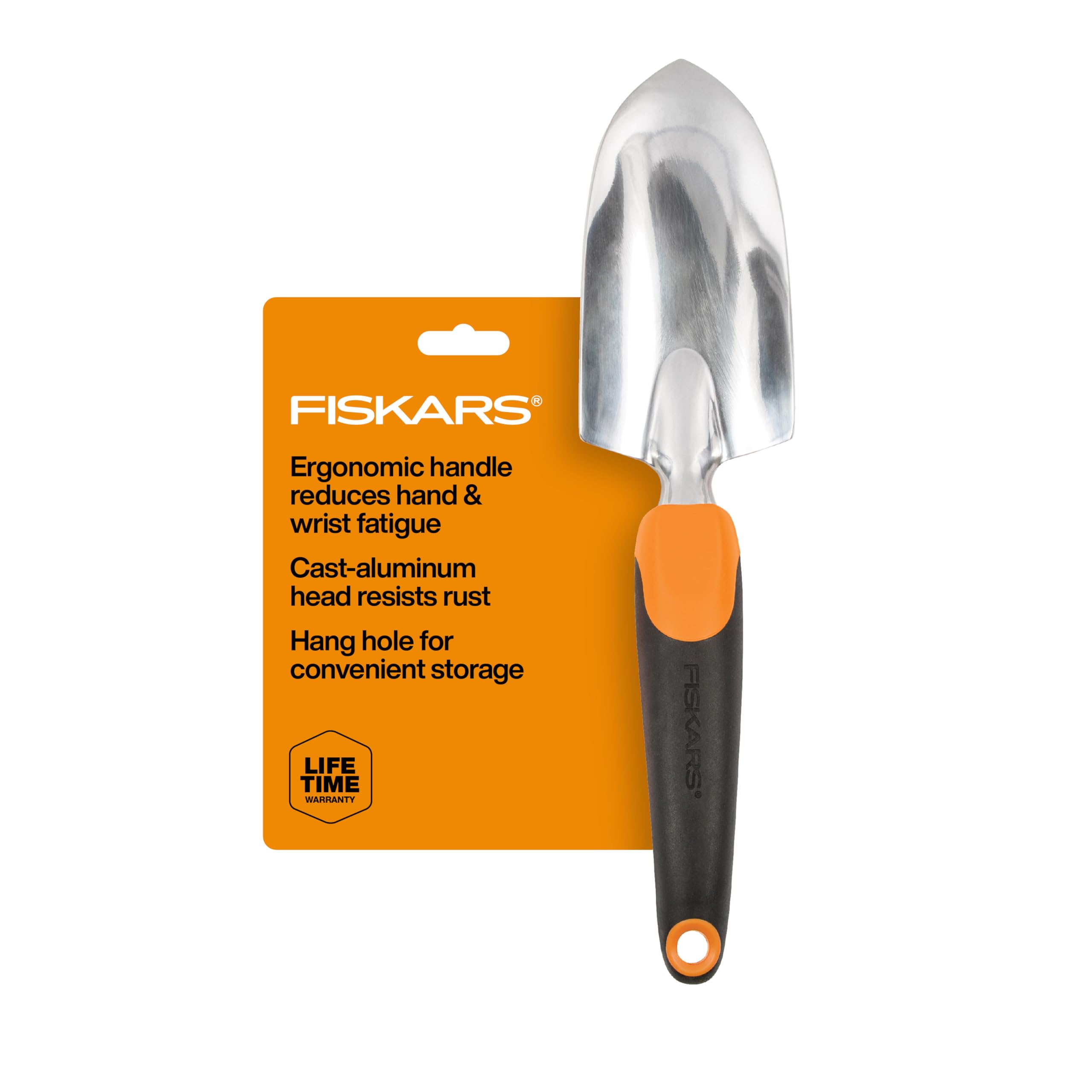
9. Garden Trowels
The trowel is the single most-used hand tool in gardening: a small scoop-shaped blade for digging planting holes, transplanting seedlings, mixing in potting soil, and working in tight spaces between established plants. Nearly every gardening task eventually calls for one. Our garden trowel reviews compare blade strength, grip comfort, and measurement markings across the top-rated models.
10. Bulb Planters
A bulb planter is a cylindrical tool that removes a plug of soil to a consistent depth, drops the bulb in, and lets you replace the plug on top, which is far faster and more consistent than digging individual holes by hand when you are planting large numbers of tulips, daffodils, or garlic. See our bulb planter comparison for long-handled and hand-held options.

11. Dibbers
A dibber (or dibble) is a simple pointed stick or tool used to poke precise, evenly spaced holes for seeds, seedlings, or small bulbs. It sounds basic, but a good dibber with depth markings takes the guesswork out of spacing and planting depth, which matters more than most beginners realize for even germination.

12. Hori-Hori Knives
This Japanese garden knife has a thick, serrated, slightly concave blade that can dig, cut roots, slice through weeds, divide perennials, and even measure planting depth thanks to markings etched into the blade. Many experienced gardeners consider it the single most versatile hand tool they own, capable of replacing a trowel, a small saw, and a weeder in one compact package.

Weeding and Cultivating Tools
Keeping weeds from competing with your plants for water and nutrients is a season-long job, and having the right weeder saves your knees and your time.
13. Manual Weeders
A dedicated weeding tool, often with a forked or serrated tip, is designed to grip a weed at its base and pull the entire root system out in one motion, which prevents the regrowth you get from simply snapping off the top of the plant. This is especially valuable for dandelions and other taproot weeds that return quickly if the root is left behind. Our manual weeder reviews cover the best designs for lawns, beds, and cracks in patios.

14. Hand Cultivator Claws
A three-pronged hand claw is used to scratch through the top layer of soil, breaking up crusted dirt and pulling out shallow-rooted weeds before they establish themselves. It pairs naturally with a trowel as part of a basic two-tool starter kit for container gardens and small beds.

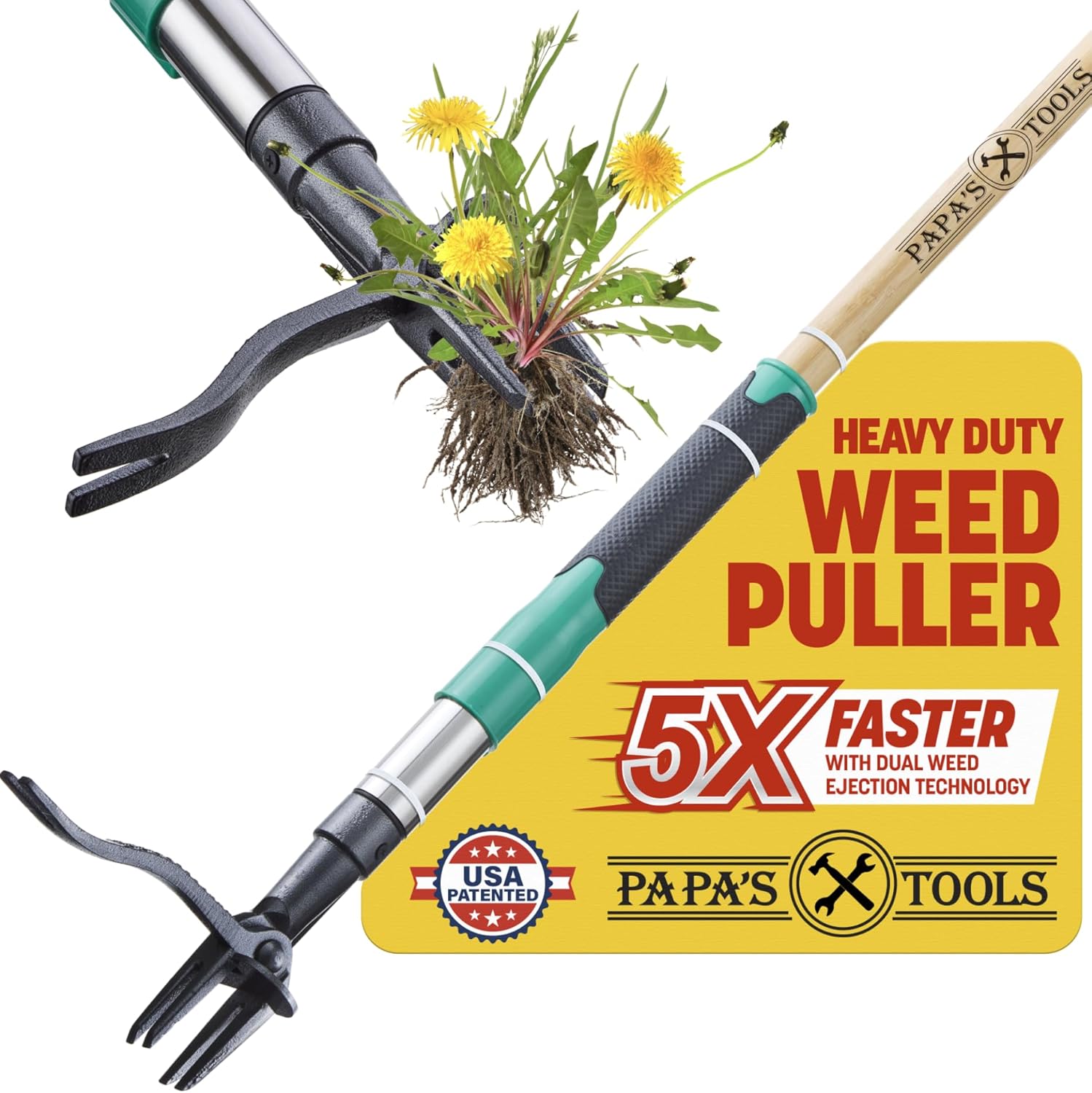
15. Stand-Up Weed Pullers
For gardeners who want to avoid kneeling entirely, a long-handled stand-up weed puller uses a foot pedal or lever to drive claws into the soil around a weed, then a pull on the handle extracts the root without bending over. It is particularly effective on dandelions and other single-taproot weeds spread across a lawn.
Pruning and Cutting Tools
From delicate herb snips to clearing thick brush, pruning tools come in a range of sizes matched to the thickness of what you are cutting.
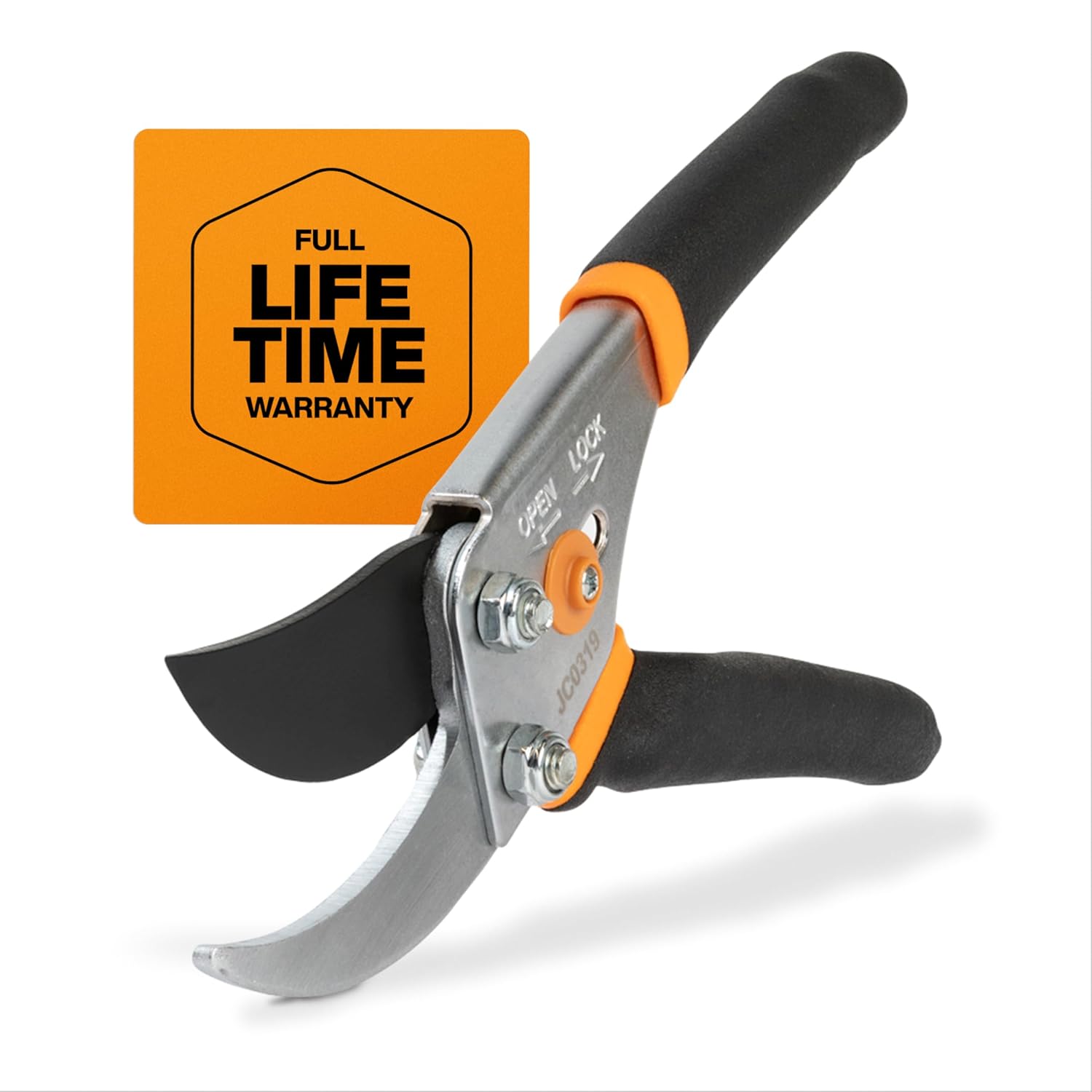
16. Gardening Shears and Scissors
Hand pruning shears (also called secateurs) and garden scissors handle the everyday cutting work of deadheading flowers, harvesting herbs, trimming small stems, and light pruning. Bypass-style blades give a cleaner cut on living stems than anvil-style blades, which are better suited to dry or dead wood. Our shears and scissors comparison covers both styles for a range of hand sizes and grip strengths.
17. Loppers
When a branch is too thick for hand shears, loppers step in with long handles that give you the leverage to cut through branches typically up to about two inches in diameter. They are essential for shaping shrubs, removing deadwood from small trees, and general seasonal cleanup. See our lopper reviews for the best cutting capacity and comfort across a full pruning season.

18. Gardening and Pruning Saws
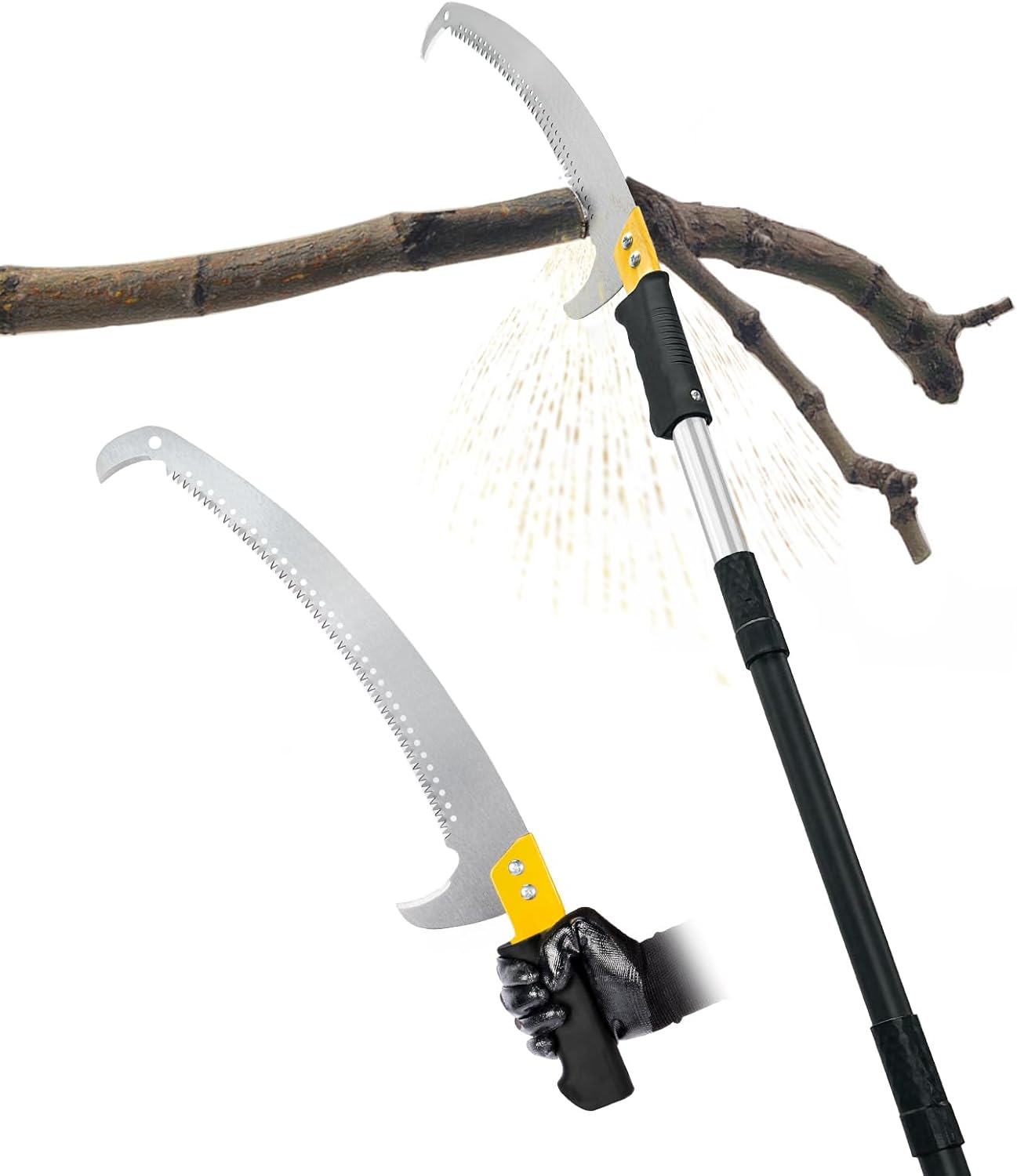
Once a branch is thicker than loppers can handle, a curved pruning saw with aggressive teeth cuts through wood quickly without binding, making it the right tool for removing larger limbs or clearing overgrown, woody shrubs. Folding models are compact enough to carry in a pocket or tool belt. Our gardening saw reviews compare blade length, tooth design, and folding mechanisms.

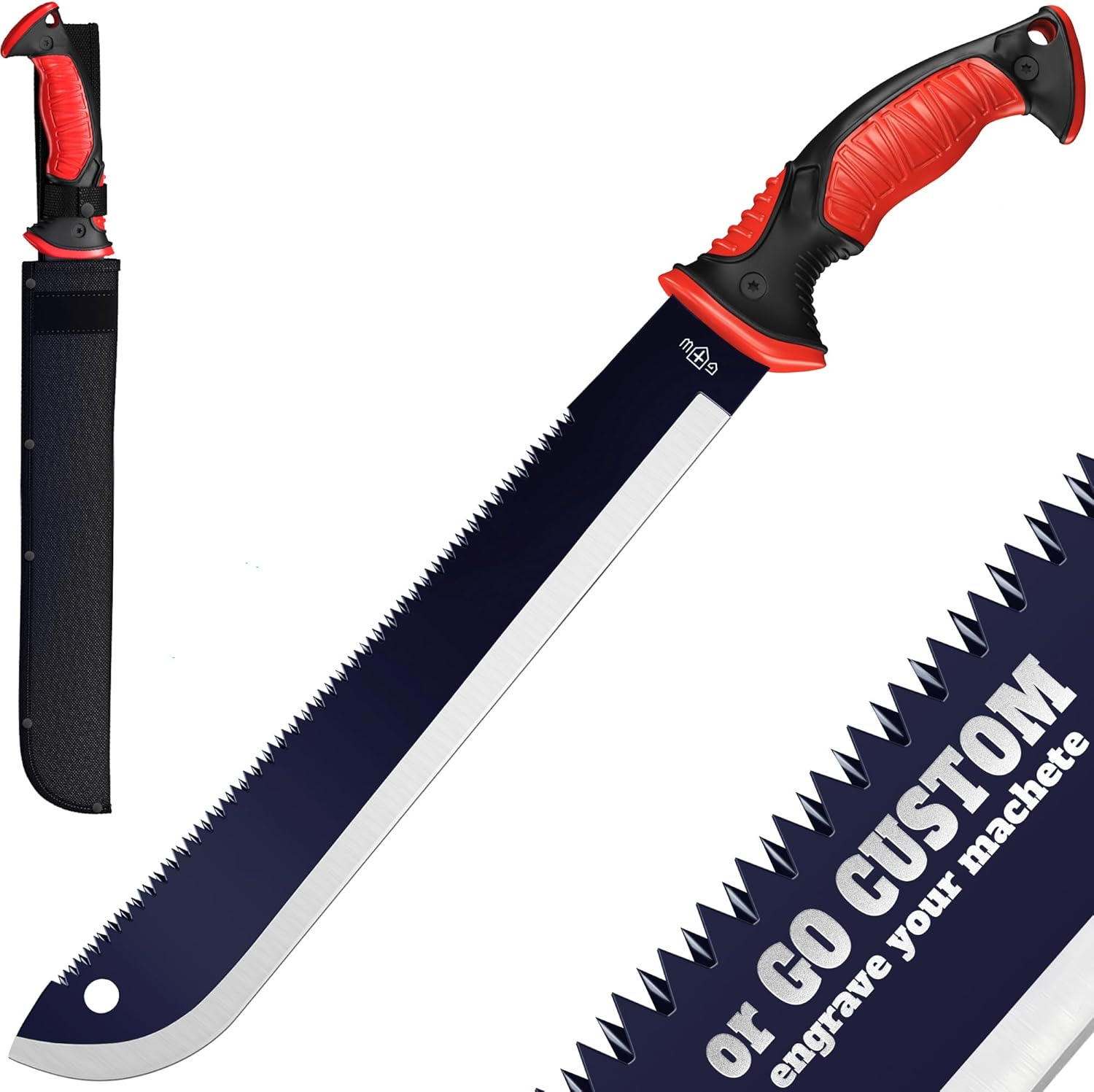
19. Machetes
For clearing dense brush, overgrown vegetation, thick weeds, or small saplings, a machete’s long, heavy blade covers ground far faster than shears or a saw. It is less about precision and more about efficiently reclaiming an overgrown area before more delicate garden work can even begin. Our machete comparison highlights the best blade steel and handle designs for yard clearing.
20. Hedge Shears
Long, straight, double-handled blades let you shape hedges and shrubs into clean, even lines by cutting across a wide surface in a single pass rather than snipping stem by stem. They remain the standard tool for formal hedge shaping even where powered trimmers are available, since they give more control over precise curves and corners.

21. Grass Shears and Edging Shears
Grass shears look like elongated scissors and are used to trim grass in spots a lawn mower cannot reach, such as tight against a fence, around trees, or along garden borders. Edging shears, held vertically, do the same job specifically along the crisp line between lawn and bed for a manicured finish.

22. Pole Pruners and Pole Saws
A pole pruner combines a cutting head with a rope-operated mechanism on the end of a long pole, letting you cut branches eight to twelve feet overhead without a ladder. Many models also include a saw attachment for branches too thick for the pruning head, making this the safer choice for any cutting job above your reach.
Lawn Care Tools
A healthy lawn needs more than mowing; aerating, raking, and edging keep grass thick and roots strong.
23. Manual Lawn Aerators
Foot traffic and mowing compact the soil under a lawn over time, making it harder for water, air, and nutrients to reach grass roots. A manual aerator, whether a spike or core-pulling design, breaks up that compacted layer without the cost of renting a powered machine. Our manual lawn aerator reviews compare spike and core designs for different lawn sizes.

24. Rakes
A leaf rake gathers fallen leaves and light debris, while a sturdier garden rake levels soil, spreads mulch, and removes small stones before seeding or sodding. Most gardeners eventually own both, since the wide, flexible tines of a leaf rake are the wrong tool for the heavier soil work a garden rake is built for. See our rake comparison for the best models of each type.

25. Hand Edgers
A hand edger, typically a half-moon or flat blade on a long handle, cuts a clean, defined line between lawn and flower bed or walkway. Re-cutting this edge once or twice a season keeps grass from creeping into beds and gives even a simple lawn a noticeably more finished look. Our hand edger reviews cover both manual and rolling designs.

26. Sod Cutters and Half-Moon Edgers
For larger projects like installing a new bed or removing an entire section of lawn, a sod cutter or long-handled half-moon edger lets you slice under the turf in even strips that can be lifted and relocated or discarded, saving significant time over cutting sod by hand with a spade.

Harvesting Tools
When the season’s work pays off, a few specialized tools make collecting the harvest safer and more efficient.
27. Fruit Pickers
A fruit picker attaches a basket with finger-like openings to a long pole, letting you pluck apples, pears, and other tree fruit from high branches without climbing a ladder. The basket cushions the fruit as it drops in, reducing bruising compared to picking by hand and letting it fall. Our fruit picker reviews compare pole length, basket design, and ease of use.

Plant Support and Tying Tools
Climbing vegetables, top-heavy flowers, and young trees all need support at some point in the season, and the right tying materials keep that support gentle on stems.
28. Garden Twine and Twist Ties
Soft garden twine and reusable twist ties secure tomato vines, climbing beans, and floppy perennials to stakes and trellises without cutting into stems the way wire or plain string can. Having a dedicated dispenser or roll on hand means you are never scrambling for tape or scraps of string mid-task. See our garden twine and twist tie comparison for the most durable, plant-safe options.

29. Stakes, Cages, and Trellis Netting
Tomato cages, bamboo or metal stakes, and trellis netting give climbing and top-heavy plants a structure to grow against, which keeps fruit and foliage off the ground, improves air circulation, and reduces disease pressure. Matching the support to the plant’s mature size and weight before the growing season starts prevents a collapse mid-summer.

Specialty and Precision Tools
Some gardening pursuits call for tools built around a single, specific technique rather than general use.
30. Bonsai Tools
Bonsai cultivation requires a dedicated set of miniature tools, including concave cutters, root hooks, and fine-tipped shears, built for the precise, repeated pruning that keeps a bonsai’s proportions correct over years of growth. Standard garden shears are simply too large and imprecise for this kind of detail work. Our bonsai tool reviews cover complete kits for beginners and specialty tools for advanced practitioners.

31. Grafting Knives
A grafting knife has a single beveled edge that produces the clean, precise cuts needed to join scion and rootstock when grafting fruit trees or roses. The single-bevel design is what allows for the flat, smooth cut surface that lets grafted tissue heal together successfully.

Tool Organization
32. Garden Tool Sets
Rather than buying a trowel here, a pair of shears there, and a rake somewhere else, a complete garden tool set bundles the essentials, often with a bag or tote, into one purchase. This is a particularly popular choice for beginners setting up their first garden, container and small-space gardeners who only need hand tools, and anyone shopping for a gardening gift. See our garden tool set comparison for the best-value bundles across different budgets.

Watering and Irrigation Tools
Even the best soil and the sharpest tools cannot substitute for consistent, well-targeted watering.
33. Watering Cans
A watering can remains the simplest, most controlled way to water seedlings, containers, and indoor plants, letting you direct water exactly where it is needed without the pressure of a hose potentially washing out young roots or delicate seedlings.

34. Garden Hoses and Hose Reels
A quality hose is essential for anything beyond container gardening, and a hose reel keeps it coiled, kink-free, and out from underfoot when not in use, extending the life of the hose and keeping garden paths clear.

35. Pump and Backpack Sprayers
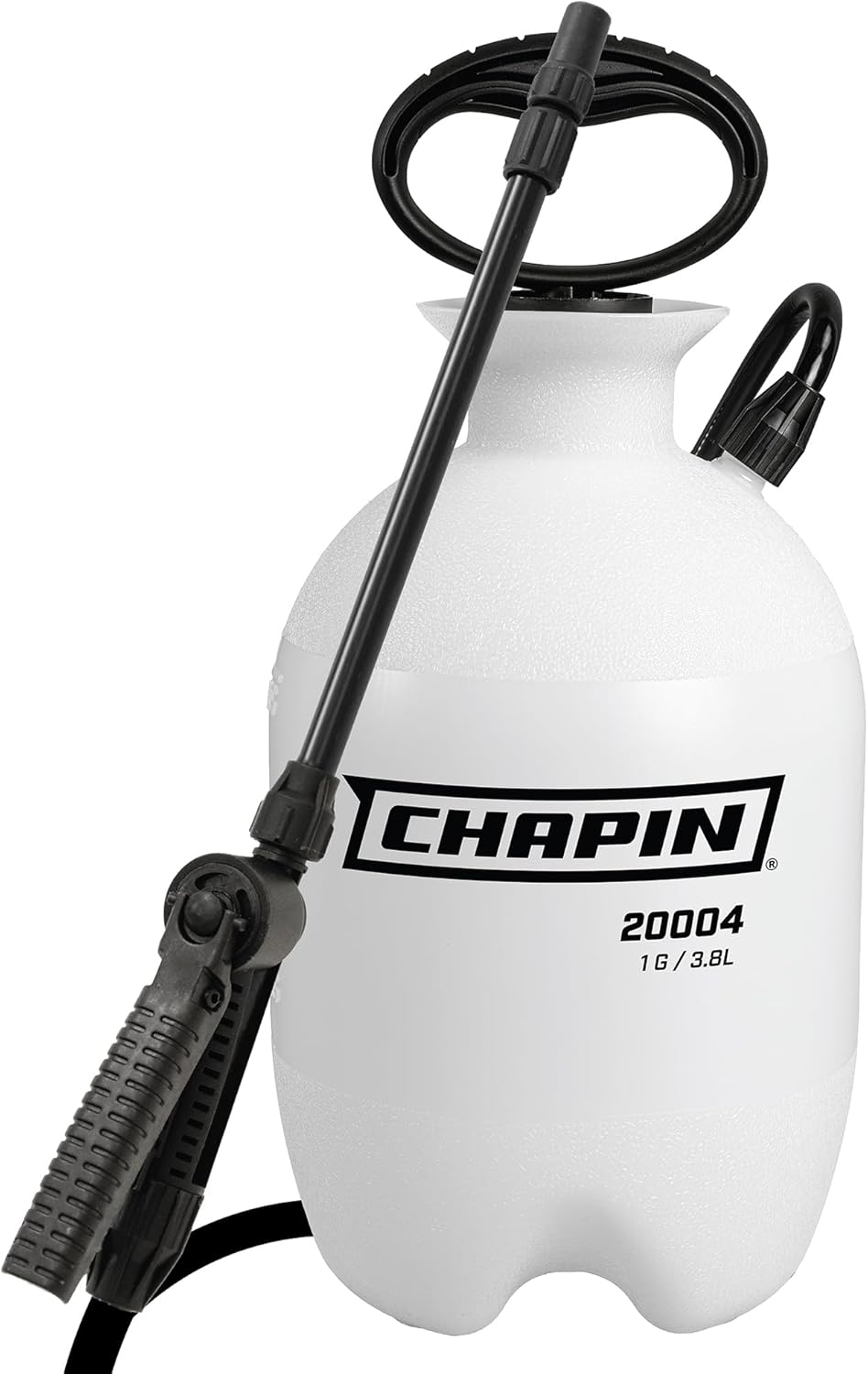
Sprayers let you apply water, fertilizer, or pest and disease treatments evenly across foliage, which is something a hose or watering can cannot do with the same fine, consistent mist. Backpack models add capacity and hands-free carrying for larger properties.
36. Sprinklers and Drip Irrigation Kits
For lawns and larger beds, oscillating or rotary sprinklers automate watering over a wide area, while drip irrigation kits deliver water directly to the base of individual plants, reducing waste from evaporation and runoff and cutting down on foliar diseases caused by wet leaves.

Hauling and Heavy-Duty Tools
Moving soil, mulch, plants, and debris around the yard is unavoidable, and the right hauling tool saves a lot of trips.
37. Wheelbarrows
A wheelbarrow lets one person move a full load of soil, mulch, rocks, or plants in a single trip instead of several with a bucket, and its single-wheel design is built to navigate the narrow, uneven paths typical of a garden.

38. Garden Carts
A four-wheeled garden cart offers more stability and a larger capacity than a wheelbarrow, making it a better choice for hauling heavy loads across flatter ground, such as bagged mulch, potted plants, or firewood, without the balancing act a wheelbarrow requires.

39. Axes and Mattocks
For splitting roots, clearing small stumps, or breaking up compacted or rocky ground where a shovel cannot penetrate, a mattock or axe provides the chopping force needed to get through what other tools cannot. Our axe reviews cover models suited to both wood splitting and heavier yard-clearing work.

Protective Gear and Comfort Tools
None of the tools above are much fun to use if your hands, knees, and back are not protected while you work.
40. Garden Gloves
A good pair of garden gloves protects your hands from thorns, splinters, and blisters while still allowing enough dexterity to handle seeds, trowels, and pruning shears. Thicker rose-pruning gauntlets add forearm protection for particularly thorny work.

41. Knee Pads and Garden Kneelers
Weeding, planting, and harvesting low-growing crops all mean spending long stretches close to the ground, and a padded kneeler or strap-on knee pads make that far more comfortable. Many kneelers double as a seat and include side handles to help you get back up.

42. Tool Belts and Aprons
A garden apron or tool belt with multiple pockets keeps small essentials like a trowel, shears, twine, and plant markers within reach as you move around the yard, saving repeated trips back to the shed for one more tool.

43. Soil pH and Moisture Meters
A simple probe meter tells you at a glance whether soil is too acidic, too alkaline, or too dry or wet for the plants you are growing, letting you correct problems with amendments or watering before they show up as stunted growth or yellowing leaves.

44. Plant Labels and Garden Markers
Once seedlings are up, it is easy to forget which variety is which, especially across several rows of similar-looking greens. Weatherproof plant labels and a permanent garden marker keep your planting plan straight from seed to harvest.

Building Your Garden Tool Kit
You do not need every tool on this list on day one. A new gardener with a small bed can get remarkably far with a shovel, a trowel, a pair of shears, a hose, and a decent pair of gloves, or an all-in-one starter set that bundles most of these basics together. As your garden grows, and as you take on lawn care, fruit trees, or specialty projects like bonsai, you will naturally add the more specific tools above one at a time.
The common thread across every tool in this guide is that the right one saves time and effort while protecting your plants and your body. Whenever you are ready to compare specific models, our linked reviews above break down the top options on Amazon by price, durability, and real buyer feedback so you can choose with confidence.


Leave a Reply